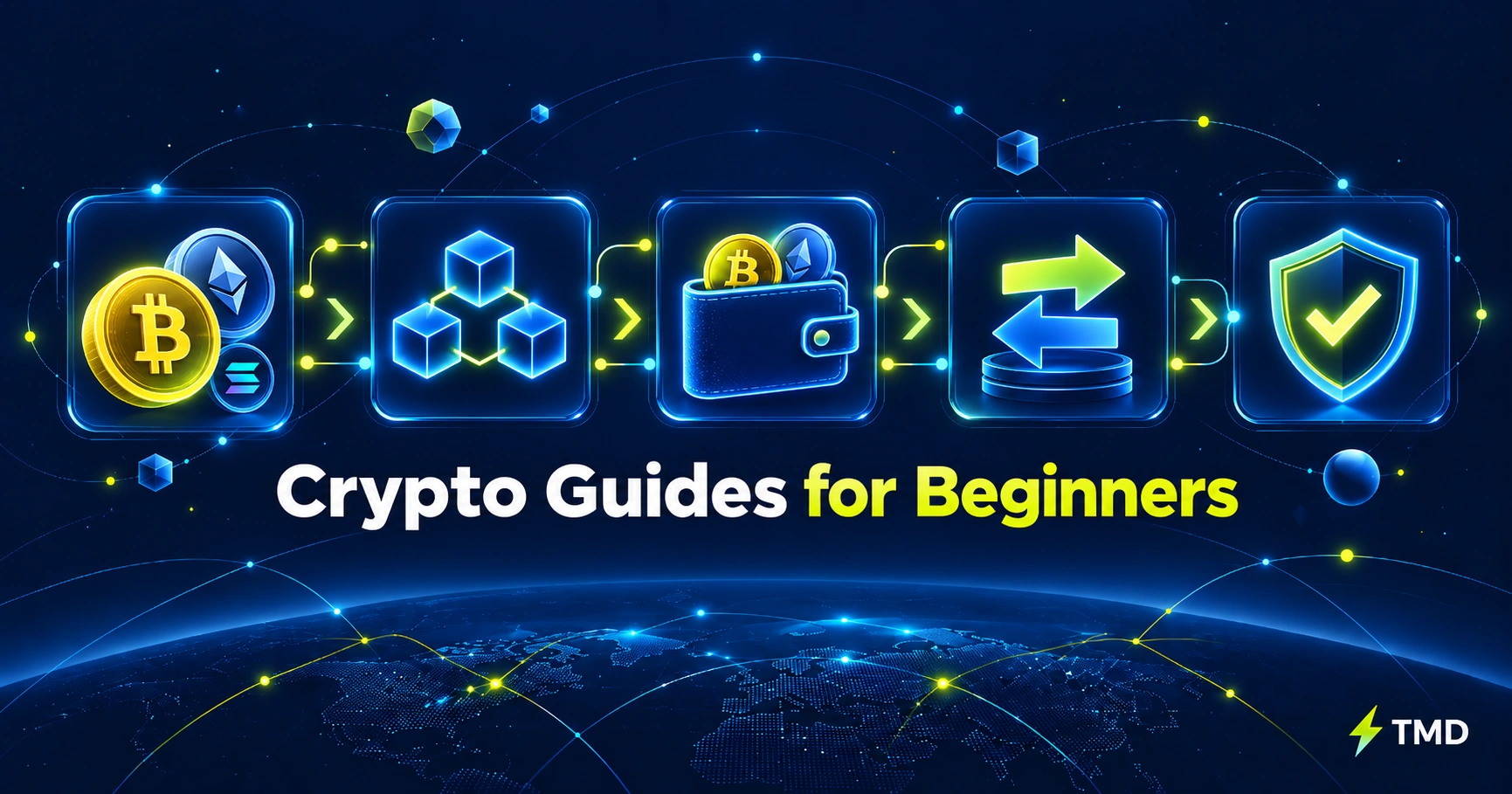
LEARN CRYPTO THE RIGHT WAY.
Crypto Guides
for Beginners
Learn crypto with beginner-friendly guides covering cryptocurrency, blockchain, wallets, exchanges, gas fees, seed phrases, scams, and safer ways to use digital assets.
The Meta Directory’s crypto guides explain the concepts, tools, and risks beginners should understand before choosing a platform, sending funds, or connecting a wallet. Follow the learning path below to move from crypto basics to wallets, exchanges, and crypto safety.
New to crypto? Start with these essential guides to understand what cryptocurrency is, how blockchain works, how wallets and exchanges differ, and what safety risks beginners should know before using crypto platforms.
TIP: Start with the Crypto Beginner Guide, then continue with Blockchain Explained
What are Crypto Guides?
Crypto guides are educational resources that explain how cryptocurrency, blockchain, wallets, exchanges, transactions, fees, and crypto security work. Beginner crypto guides are most useful when they teach the basics before someone starts using platforms, sending funds, or connecting a wallet..
A clear learning path usually starts with cryptocurrency and blockchain, followed by wallets and exchanges, private keys and seed phrases, transactions, gas fees, security, custody, and common crypto risks..
Learn Crypto Basics
To learn crypto basics safely, start with the fundamentals: what cryptocurrency is, how blockchain records transactions, how wallets and exchanges differ, and why private keys, seed phrases, gas fees, scams, and transaction risks matter.
How do you start learning crypto?
Start with what cryptocurrency is and how blockchain works. Then learn how wallets, exchanges, private keys, seed phrases, gas fees, and common crypto risks fit together before using a platform.
What should beginners learn first?
Beginners should first understand cryptocurrency and blockchain, followed by wallets, exchanges, custody, private key protection, seed phrases, transaction fees, and common scam warning signs.
STEP 1

Crypto Basics
Start with cryptocurrency, blockchain, gas fees, Web3, and the basic concepts behind crypto and digital assets.
→ Crypto Beginner Guide
→ Blockchain Explained
→ Gas Fees Explained
→ Web3 Beginner Guide
STEP 2
Wallets & Exchanges
Learn how crypto wallets, exchanges, custody, private keys, seed phrases, wallet safety, and platform checks work.
→ Crypto Wallet Guide
→ Crypto Exchange Guide
→ Private Keys and Seed Phrases
→ Crypto Wallet Safety Guide
STEP 3

Crypto Safety
Learn how to recognise scams, protect wallets, understand custody, compare exchange safety, and avoid mistakes.
→ Common Crypto Scams
→ Choose a Crypto Exchange Safely
→ Crypto Wallet Safety Guide
→ Custodial vs Non-Custodial Wallets
Beginner Crypto Safety Guides
Crypto safety is one of the most important areas for beginners to understand. These guides cover wallet protection, scams, exchange checks, custody, private keys, seed phrases, and other risks to understand before sending funds or connecting a wallet.
MOST POPULAR CRYPTO GUIDES
These are the most searched and most useful crypto guides for beginners — designed to help you get started quickly and safely.
LATEST CRYPTO GUIDES
Explore the latest beginner-friendly crypto guides from The Meta Directory, covering cryptocurrency basics, blockchain, wallets, exchanges, transactions, gas fees, security and common crypto risks.
-

Common Crypto Scams to Avoid: How to Spot the Warning Signs
Learn how to recognise common crypto scams, spot the warning signs and protect your money, accounts and crypto wallets from fraud.
-
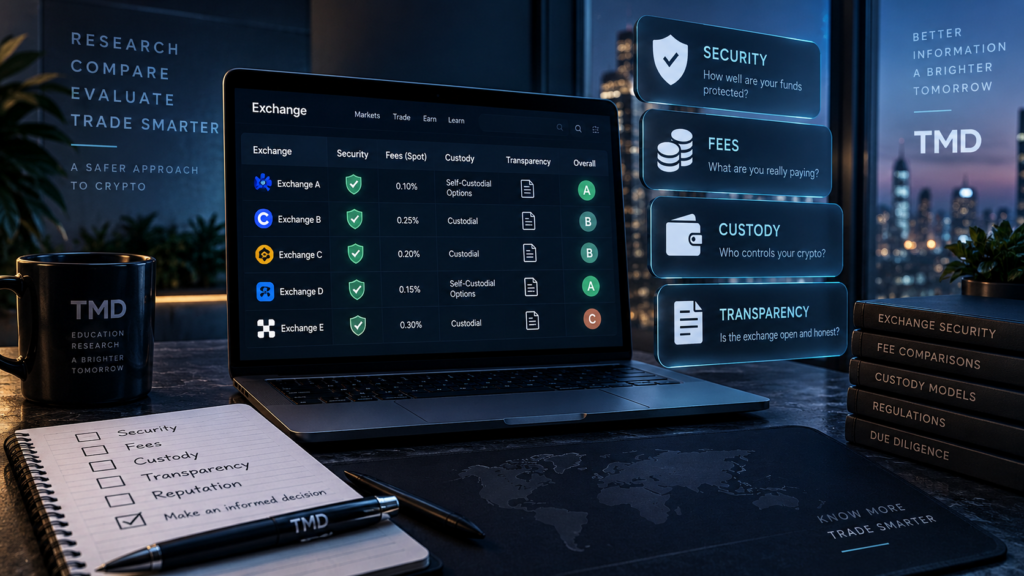
How to Choose a Crypto Exchange Safely
Learn how to choose a crypto exchange safely by comparing security, custody, fees, regulation, withdrawals and other important factors before depositing funds.
-

Crypto Wallet Safety Guide: How to Protect Your Crypto
Learn how to improve crypto wallet safety, protect private keys and seed phrases, secure transactions and reduce the risk of scams, phishing and theft.
Continue Learning: Web3 & DeFi
Once you understand the crypto basics, you can move into the wider Web3 ecosystem. These guides explain how decentralised apps, smart contracts, DeFi tools, and blockchain-based platforms work.
Helpful Crypto Resources
These independent resources provide additional information about crypto assets, digital financial literacy, investor risks, and global virtual asset standards alongside The Meta Directory’s beginner crypto guides.
Learn Crypto & Web3 Terminology
Quick Glossary
Crypto beginner? Here are the key terms you’ll see most often.
POPULAR:
WALLET
+Tool that stores and manages your keys so you can send, receive, and interact with crypto apps.
EXCHANGE
+Platform where you can buy and sell crypto – often includes account logins and identity checks.
SEED PHRASE
+Recovery phrase that can restore your wallet. Anyone with access to it can access your funds – keep it offline and private.
GAS FEES
+Transaction fees paid to a network for processing actions like sending tokens or using apps.
STABLECOINS
+Cryptocurrencies that stay stable in value, usually linked to the US dollar, making them useful for payments and trading.
DEFI
+Decentralized finance that lets you lend, borrow, and trade using blockchain apps instead of banks.
COMMON QUESTIONS
If you’re new to crypto, these common questions will help clarify how to get started, stay safe, and build confidence as you learn.
Start by understanding the basics of how crypto works, then choose a beginner-friendly exchange and wallet. Follow structured crypto guides that explain each step clearly, and avoid rushing into advanced tools before you understand the fundamentals.
Yes, crypto guides are one of the best ways for beginners to learn safely. They break down complex topics into simple steps and help you avoid common mistakes when setting up wallets, exchanges, and security.
The easiest way is to use a trusted exchange, buy a small amount of crypto, and learn how wallets and transactions work through beginner-focused guides. Starting small helps reduce risk while you learn.
Not always. Many beginners start by using an exchange wallet, then move to a personal wallet later for better control and security once they understand how it works.
HOW WE REVIEW & RANK
The Meta Directory researches crypto, Web3, AI, and emerging technology platforms using a consistent editorial framework. We look at security signals, transparency, usability, fees, risks, reputation, availability, and beginner suitability.
HOW WE REVIEWSTAY UPDATED
Get new crypto guides, updated rankings, and practical tips straight to your inbox — no spam, unsubscribe anytime.
NO SPAM. UNSUBSCRIBE ANYTIME.