UNDERSTAND WALLETS, EXCHANGES & CRYPTO CUSTODY.
Wallets &
Exchanges
Wallets &
Exchanges
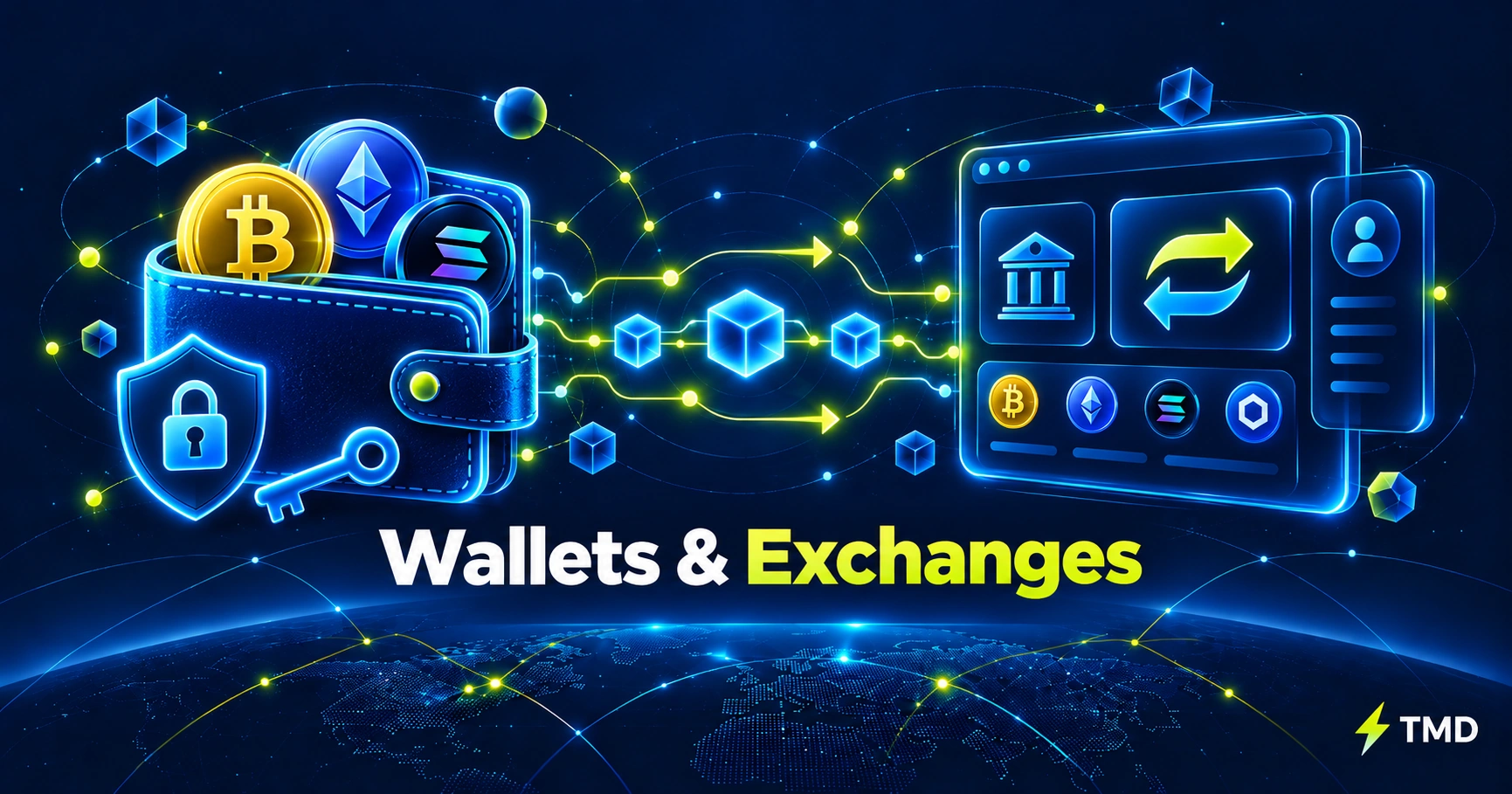
Learn how crypto wallets and exchanges work, how custody affects control of digital assets, and what beginners should understand before storing, buying, selling, or transferring crypto.
The Meta Directory’s wallet and exchange guides explain private keys, seed phrases, custody models, platform checks, transaction risks, wallet security, and the differences between holding crypto on an exchange and using a personal wallet.
New to crypto wallets and exchanges? Start with these guides to understand how wallets work, how exchanges differ, how custody affects control of digital assets, and which security risks beginners should know before using either.
Start Here: Wallet & Exchange Guides
Use these beginner guides to understand crypto wallets, exchanges, custody, private keys, seed phrases, fees, scams, and the security checks that matter before using a platform or wallet.
TIP: Start with the Crypto Wallet Guide and Crypto Exchange Guide, then move into custody, private keys, and security.
Crypto Wallet vs Crypto Exchange
Crypto wallets and crypto exchanges can both be used to access digital assets, but they serve different purposes. A wallet is primarily used to manage access to crypto, while an exchange is primarily used to buy, sell, trade, or convert it.
Quick Answer
A crypto wallet gives you a way to access and manage digital assets, while a crypto exchange is a platform used to buy, sell, trade, or convert cryptocurrency. Some exchanges also hold crypto on behalf of users, which means custody and control can differ depending on how the platform is used.
Crypto Wallet
A crypto wallet is a tool used to access, send, receive, and manage crypto. Depending on the wallet type, the user may control the private keys directly or rely on a third party to manage access.
- Used to manage and access digital assets
- Can be custodial or non-custodial
- May give the user direct control of private keys
Crypto Exchange
A crypto exchange is a platform used to buy, sell, trade, or convert cryptocurrency. Many centralised exchanges hold assets on behalf of users and manage the underlying wallet infrastructure.
- Used to buy, sell, trade, or convert crypto
- Often provides account-based custody
- May charge trading, deposit, or withdrawal fees
The main difference comes down to purpose and custody. Wallets are built around managing crypto access, while exchanges are built around trading and conversion. Beginners should understand who controls the private keys and what happens if access to a platform or wallet is lost.
Learn Crypto Wallets & Exchanges Step by Step
Use this beginner path to understand how crypto wallets and exchanges work, how custody affects control of digital assets, and which security concepts matter before storing, transferring, buying, or trading crypto.
STEP 1
Wallet Basics
Learn what crypto wallets do, how wallet access works, and why custody, private keys, seed phrases, and wallet security matter.
→ Crypto Wallet Guide
→ Custodial Vs Non-Custodial Wallets
→ Private Keys and Seed Phrases
→ Crypto Wallet Safety Guide
STEP 2

Exchange Basics
Learn how crypto exchanges work, how custody and fees can differ between platforms, and what beginners should check before using an exchange.
→ Crypto Exchange Guide
→ Choose a Crypto Exchange Safely
→ Gas Fees Explained
→ Common Crypto Scams
STEP 3

Custody & Security
Understand who controls crypto access, how to protect wallets, and scam, platform, and transaction risks.
→ Custodial vs Non-Custodial Wallets
→ Crypto Wallet Safety Guide
→ Private Keys and Seed Phrases
→ Choose a Crypto Exchange Safely
Crypto Custody, Private Keys & Seed Phrases
Understanding who controls crypto access is one of the most important differences between wallets and exchanges. Custody, private keys, seed phrases, and recovery methods all affect how digital assets are accessed and protected.
Wallet & Exchange Safety
Wallet and exchange security depends on both the platform or wallet being used and the way users protect their accounts, private keys, seed phrases, devices, and transaction details. These guides cover the main risks beginners should understand before storing, transferring, buying, or trading crypto.
PLATFORM REVIEWS COMING SOON
The Meta Directory is building researched reviews and comparisons for crypto wallets and exchanges. These will assess factors such as security signals, custody, fees, usability, transparency, reputation, availability, and beginner suitability.
Until those reviews are live, use the guides on this page to understand how wallets and exchanges work, what risks to check, and which security basics matter before choosing a platform or storing crypto.
LATEST WALLET & EXCHANGE GUIDES
Explore the latest guides from The Meta Directory covering crypto wallets, exchanges, custody, private keys, seed phrases, platform safety, fees, and common security risks.
-
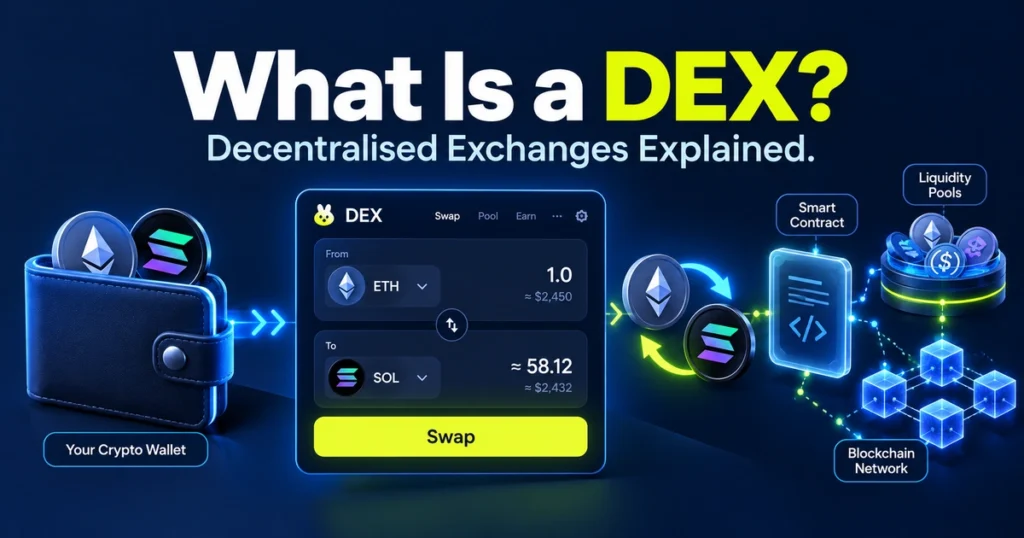
What Is a DEX? A Beginner’s Guide to Decentralised Exchanges
Learn what a DEX is, how decentralised exchanges work, and what beginners should know about wallets, fees, liquidity and risks.
-
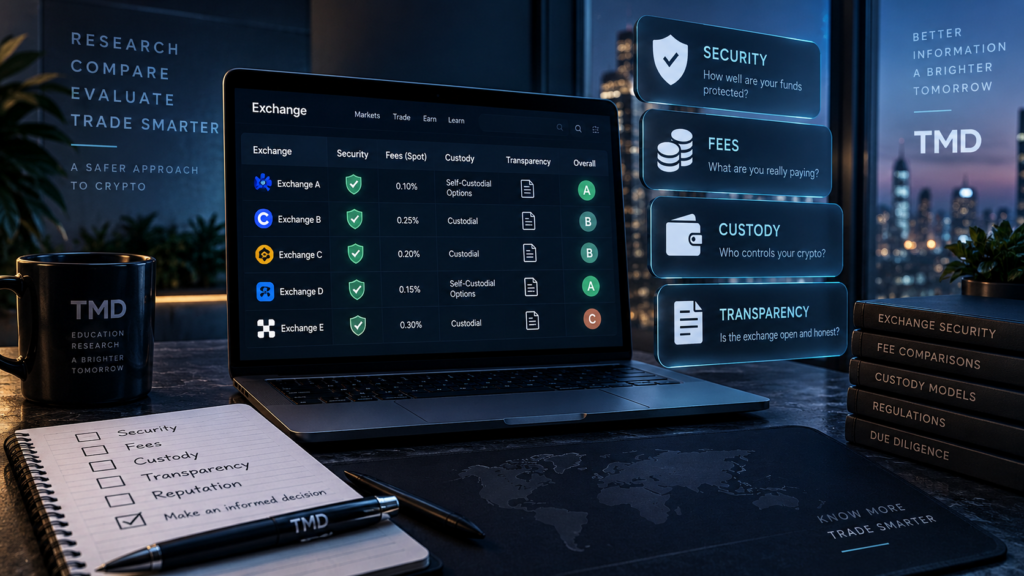
How to Choose a Crypto Exchange Safely
Learn how to choose a crypto exchange safely by comparing security, custody, fees, regulation, withdrawals and other important factors before depositing funds.
-

Crypto Wallet Safety Guide: How to Protect Your Crypto
Learn how to improve crypto wallet safety, protect private keys and seed phrases, secure transactions and reduce the risk of scams, phishing and theft.
Continue Learning: Transactions & Web3
Once you understand wallets, exchanges, custody, and security, the next step is learning how crypto transactions connect with the wider Web3 ecosystem. These guides explain transaction fees, decentralised apps, DeFi, and the tools wallets can interact with on-chain.
- Gas Fees Explained →
- Web3 Beginner Guide →
- DeFi Beginner Guide →
- Crypto Staking Guide →
- DEX Beginner Guide →
- dApps Explained →
Helpful Wallet & Exchange Resources
These independent resources provide additional information about crypto-asset service providers, custody, investor protection, and global standards for crypto markets alongside The Meta Directory’s wallet and exchange guides.
- BIS — Cryptoasset Service Providers: Risks and Policy Approaches
- IOSCO — Policy Recommendations for Crypto and Digital Asset Markets
- Financial Stability Board — Global Regulatory Framework for Crypto-Asset Activities
Learn Crypto & Web3 Terminology
Quick Glossary
These are some of the most important terms beginners will see when learning about crypto wallets, exchanges, custody, security, and transactions.
POPULAR:
CRYPTO WALLET
+Tool used to access, send, receive, and manage crypto assets. Some crypto wallets let users control their own private keys, while others are managed by a third party.
EXCHANGE
+Platform used to buy, sell, trade, or convert cryptocurrency. A crypto exchange may also hold crypto on behalf of users.
CUSTODY
+Custody refers to who controls access to crypto assets. The difference between custodial and non-custodial wallets affects who manages the private keys and recovery responsibility.
PRIVATE KEY
+A private key is cryptographic information used to authorise access to and transactions involving crypto assets. Private keys and seed phrases should be kept secure and private.
SEEDPHRASE
+A seed phrase is a set of words that can be used to recover access to certain crypto wallets. Anyone with the phrase may be able to restore the wallet.
GAS FEES
+A Gas fee is a charge that may apply when moving crypto or funds away from an exchange or other platform. Fees can vary by platform, asset, and withdrawal method.
Frequently Asked Questions
These FAQs answer common beginner questions about crypto wallets, exchanges, custody, private keys, security, and choosing where to access or hold digital assets.
A crypto wallet is primarily used to access, send, receive, and manage digital assets, while a crypto exchange is a platform used to buy, sell, trade, or convert cryptocurrency. Some exchanges also hold crypto on behalf of users.
A custodial wallet relies on a third party to manage access to crypto, while a non-custodial wallet typically gives the user control of the private keys and responsibility for recovery and security.
Private keys help control access to crypto assets, while seed phrases can be used to recover certain wallets. Both should be protected carefully because exposing them can put wallet access at risk.
Beginners should check custody arrangements, account security, fees, withdrawal rules, transparency, platform reputation, supported assets, and whether the exchange is available in their region.
There is no single option that is safest for every user. Wallet and exchange risks differ depending on custody, private-key control, account security, recovery methods, platform protections, and how securely the user manages access.
Common risks include fake websites, phishing links, impersonation, fraudulent support messages, malicious wallet connections, and offers promising guaranteed returns. Always verify websites and requests before sharing information or approving transactions.
HOW WE REVIEW & RANK
The Meta Directory researches crypto, Web3, AI, and emerging technology platforms using a consistent editorial framework. We look at security signals, transparency, usability, fees, risks, reputation, availability, and beginner suitability.
HOW WE REVIEWSTAY UPDATED
Get new crypto guides, updated rankings, and practical tips straight to your inbox — no spam, unsubscribe anytime.
NO SPAM. UNSUBSCRIBE ANYTIME.